1. Influence on Earth's Geography:
* Gravity and Tides: Planets' gravitational pull influences Earth's tides. The Moon's gravity plays a major role, but other planets, especially Jupiter, also contribute. This affects coastal geographies and processes like erosion.
* Solar Radiation: Planets, especially the Sun, are the source of energy that drives Earth's climate and weather patterns, which directly impact landforms and ecosystems.
* Asteroid Impacts: The impact of asteroids and comets (some originating from other planets' debris) can drastically reshape Earth's surface, creating craters, mountains, and even influencing climate change.
2. Studying Other Planets for Earth's Geography:
* Comparative Planetology: By studying the geology, atmosphere, and history of other planets, scientists gain insights into Earth's formation, evolution, and potential futures. This helps us understand the processes that shaped Earth's geography.
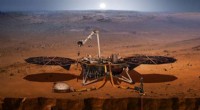
* Analogs for Earth's Past: Some planets, like Mars, have features that resemble Earth's early history, giving us clues about Earth's geological past.
3. Indirect Influence on Earth's Geography:
* Human Exploration: The drive to explore and understand other planets has fueled scientific advancements, leading to new technologies that impact Earth's geography, like satellite imagery, GPS, and mapping tools.
In summary:
Planets are not directly part of Earth's geography, but they significantly influence Earth's formation, features, processes, and even how we study and understand our own planet.