1. First Recorded Supernova: It's the first supernova ever recorded by humans that we can directly correlate with a known remnant, the Crab Nebula. This makes it a landmark event in astronomical history, providing a tangible link between ancient observations and modern astrophysics.
2. Evidence for Stellar Evolution: The observation helped solidify the understanding of how massive stars evolve and end their lives in spectacular explosions. It proved that supernovae weren't just fleeting phenomena, but marked the creation of new objects like neutron stars or black holes.
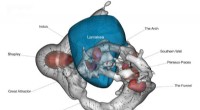
3. Insight into the Crab Nebula: The Chinese records provide a precise date for the supernova, allowing astronomers to estimate the age of the Crab Nebula, which is now a popular research target due to its unique features and pulsar.
4. Historical Significance: The discovery demonstrates the sophistication of Chinese astronomy during the Song Dynasty. Their detailed records, including brightness estimations and duration, provide valuable information for historical and scientific studies.
5. Cultural Influence: The supernova's bright appearance in the sky likely had a significant impact on Chinese culture and mythology. Its association with the Crab Nebula has also inspired numerous artistic interpretations throughout history.
In summary, the discovery of the supernova in Taurus by Chinese astronomers in 1054 AD offers invaluable insights into the evolution of stars, the origins of nebulae, and the history of astronomy. It is a prime example of how ancient observations can contribute to modern scientific understanding.