1. Visible Light: This is the most obvious and perhaps most important form of solar radiation. It provides the energy for photosynthesis in plants, which form the base of the food chain. Visible light is also responsible for our sense of sight and allows us to see the world around us.
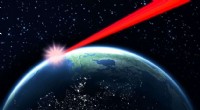
2. Infrared Radiation: This is the heat we feel from the Sun. It warms the Earth's surface and atmosphere, driving weather patterns and contributing to the climate. Infrared radiation is also used in various technological applications, such as remote sensing and night vision.
3. Ultraviolet (UV) Radiation: While often associated with sunburns and skin cancer, UV radiation is also essential for Vitamin D production in our bodies. Vitamin D is crucial for bone health and immune system function.
Important Note: While these forms of radiation are beneficial, excessive exposure to UV radiation can be harmful. Therefore, it's essential to protect ourselves from prolonged sun exposure and use sunscreen.
Other Forms of Solar Radiation:
While not directly useful for life on Earth, other forms of solar radiation have valuable applications:
* Radio waves: Used for communication, broadcasting, and astronomy.
* X-rays and gamma rays: While harmful in large doses, they are used in medical imaging and industrial applications.
The Sun is a powerful source of energy that sustains life on Earth. Understanding the different types of radiation it emits and their effects on our planet is crucial for both scientific and practical purposes.