1. Communication: This is probably the most common reason. Satellites are used for:
* TV and radio broadcasting: Sending signals across the globe.
* Internet connectivity: Providing high-speed internet to remote areas and ships at sea.
* Mobile phone communication: Relaying calls and data to areas with limited ground infrastructure.
2. Navigation:
* Global Positioning System (GPS): Used for navigation and location tracking in cars, phones, and other devices.
3. Earth Observation:
* Weather forecasting: Monitoring weather patterns and predicting storms.
* Environmental monitoring: Observing climate change, deforestation, pollution, and other environmental issues.
* Resource management: Tracking agriculture, water resources, and other natural resources.
* Disaster response: Assessing damage and coordinating relief efforts after natural disasters.
4. Scientific Research:
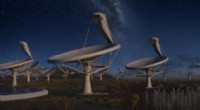
* Astronomy: Observing distant galaxies, stars, and other celestial objects.
* Earth science: Studying the Earth's atmosphere, oceans, and land.
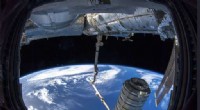
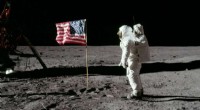
* Space exploration: Investigating the solar system and beyond.
5. Military and Intelligence:
* Surveillance and reconnaissance: Gathering information about other countries and their activities.
* Communication: Securely transmitting information between military units.
* Early warning systems: Detecting missile launches and other threats.
6. Commercial Applications:
* Remote sensing: Providing data and imagery for various industries, such as agriculture, mining, and construction.
* Space tourism: Offering flights to space for recreational purposes.
* Space manufacturing: Producing goods and materials in space.
7. Space Debris:
* Non-functional satellites and rocket stages: Accumulating over time, creating a safety hazard for other spacecraft.
The number of satellites in space is constantly increasing:
* Technological advancements: Making satellites cheaper and more accessible.
* Growing demand for various applications: Driving the need for more satellites.
While the increasing number of satellites is beneficial for many purposes, it also poses challenges:
* Space debris: Threatening active satellites and future space missions.
* Congestion: Leading to potential collisions and interference with signals.
* Light pollution: Affecting astronomical observations.
It is important to manage the increasing number of satellites responsibly, by adopting international guidelines, developing technologies to mitigate risks, and promoting sustainable space practices.