Inner Planets (Terrestrial Planets):
1. Mercury: The smallest and closest planet to the Sun.
2. Venus: The hottest planet, with a thick atmosphere and scorching surface temperatures.
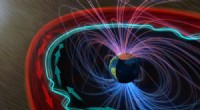
3. Earth: Our home planet, the only known planet to harbor life.
4. Mars: The "Red Planet," known for its rusty color and potential for past liquid water.
Outer Planets (Gas Giants):
5. Jupiter: The largest planet in our solar system, with a giant red spot and many moons.
6. Saturn: Known for its spectacular ring system, made up of ice and rock.
7. Uranus: An ice giant with a tilted axis, causing extreme seasons.
8. Neptune: The furthest planet from the Sun, also an ice giant with strong winds.
Dwarf Planets:
* Pluto: Once considered the ninth planet, now classified as a dwarf planet.
* Eris
* Makemake
* Haumea
* Ceres
Note: Pluto is no longer considered a planet, but rather a dwarf planet. There are also many other smaller objects in the solar system, such as asteroids and comets.