1. Friction and Heat:
* As debris plunges into the atmosphere, it encounters air molecules at increasingly higher speeds.
* This friction generates immense heat, reaching thousands of degrees Celsius.
* The heat causes the debris to glow brightly, often creating a fiery streak across the sky – a "shooting star" effect.
2. Ablation and Fragmentation:
* The intense heat causes parts of the debris to melt and vaporize, a process called ablation.
* Larger debris may fragment into smaller pieces due to the extreme forces.
3. Size and Material Matters:
* Smaller debris: Often burns up completely in the atmosphere.
* Larger debris: May survive the fiery descent and hit the Earth's surface, potentially causing damage.
4. Impact:
* Smaller pieces that survive the atmospheric journey may impact the Earth's surface as meteorites.
* Larger pieces, like defunct satellites or rocket stages, can cause significant damage upon impact.
5. Potential for Danger:
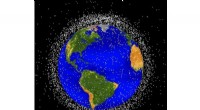
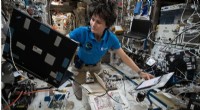
* Space debris poses a risk to active spacecraft and even astronauts on the International Space Station.
* Large debris fragments can cause catastrophic damage to operational satellites, hindering communication and navigation systems.
Mitigation Efforts:
* Active Debris Removal: Scientists and engineers are developing technologies to remove larger pieces of debris from orbit.
* Responsible Spacecraft Design: New spacecraft designs are incorporating features to minimize the creation of debris.
* International Cooperation: Various international organizations are working together to monitor space debris and develop strategies for managing the problem.
In Conclusion:
The journey of space debris through the atmosphere is a dramatic and often destructive one. Understanding this process is crucial for managing the growing threat posed by space debris to our planet and its technological infrastructure.