Automated Weather Stations: These are often located in remote or difficult-to-access locations. They use sensors to collect data like temperature, humidity, wind speed, and precipitation. This data is then transmitted to a central location for analysis.
Surface Weather Stations: These are typically located at airports, in cities, or in rural areas. They are manned by trained observers who take manual measurements of weather conditions.
Upper Air Stations: These are usually located at airports and take measurements of atmospheric conditions at various altitudes using weather balloons.
Marine Weather Stations: These are located on ships or buoys in the ocean and collect data on weather conditions over the water.
Research Stations: These can be located in a wide variety of places, including mountains, deserts, and the Arctic, and are dedicated to conducting scientific research on weather phenomena.
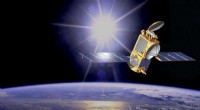
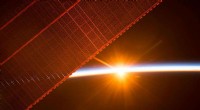
Satellite Imagery: Satellites orbiting the Earth collect data on weather patterns from space, providing a global view of weather conditions.
Radar Systems: These are used to detect precipitation and track the movement of storms.
In addition to these locations, weather observers can also make observations from:
* Personal homes and gardens: Citizen scientists can contribute valuable data by taking observations and reporting them to organizations like the National Weather Service.
* Mobile platforms: Weather observers can use portable instruments to collect data while traveling or exploring new areas.
The specific locations of weather observations depend on the needs of the observer, the type of data being collected, and the purpose of the observations.