1. The Moon doesn't produce its own light: It reflects sunlight.
2. The Moon orbits the Earth: This orbit takes about 27.3 days.
3. The Sun illuminates half of the Moon: At any given time, the half of the Moon facing the Sun is lit.
4. Our perspective changes: As the Moon orbits Earth, we see different amounts of the illuminated half, depending on where the Moon is in its orbit relative to the Sun and Earth.
Here's a simplified explanation of the lunar phases:
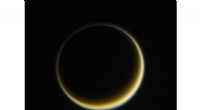
* New Moon: The Moon is between the Sun and Earth, so we see the unlit side.
* Waxing Crescent: A sliver of the illuminated side becomes visible.
* First Quarter: We see half of the illuminated side.
* Waxing Gibbous: More than half of the illuminated side is visible.
* Full Moon: The Moon is opposite the Sun, so we see the entire illuminated side.
* Waning Gibbous: We start seeing less of the illuminated side.
* Last Quarter: Again, we see half of the illuminated side.
* Waning Crescent: A sliver of the illuminated side is visible.
The cycle then repeats with a new Moon.
In essence, the lunar phases are a result of the Moon's orbital motion and the changing angles between the Sun, Earth, and Moon.