1. Light Pollution:
* Source: Artificial lights from cities, street lamps, and other human sources.
* Effect: Drowns out faint celestial objects, making it difficult to observe them.
* Impact: Affects ground-based astronomy, especially optical and near-infrared observations.
* Mitigation:
* Moving observatories to remote locations.
* Using light shields and filters.
* Promoting "dark sky" initiatives.
2. Radio Interference:
* Source: Broadcasting signals, cell phones, radar, satellites, and other electronic devices.
* Effect: Creates noise and static that can mask faint radio signals from space.
* Impact: Impacts radio astronomy, affecting observations of pulsars, galaxies, and the cosmic microwave background.
* Mitigation:
* Establishing radio quiet zones around telescopes.
* Using sensitive receivers and signal processing techniques.
3. Atmospheric Absorption:
* Source: Earth's atmosphere absorbs certain wavelengths of electromagnetic radiation.
* Effect: Prevents some wavelengths from reaching ground-based telescopes.
* Impact: Limits the types of astronomical observations possible from Earth.
* Mitigation:
* Building telescopes at high altitudes, where the atmosphere is thinner.
* Using space-based telescopes above the atmosphere.
4. Solar Radiation:
* Source: The Sun's intense electromagnetic radiation.
* Effect: Can overwhelm faint signals from distant objects, especially during the day.
* Impact: Limits observations, especially during the day.
* Mitigation:
* Observing at night.
* Using sun shields and filters.
* Conducting observations from space.
5. Satellite Trails:
* Source: Light reflected from satellites orbiting Earth.
* Effect: Creates streaks on long-exposure images, obscuring faint objects.
* Impact: Affects optical and near-infrared observations, especially those with long exposure times.
* Mitigation:
* Using image processing techniques to remove trails.
* Planning observations to avoid satellite passes.
6. Airplanes and Drones:
* Source: Light from airplanes and drones.
* Effect: Can create streaks or flashes on images.
* Impact: Affects optical and near-infrared observations, especially those with long exposure times.
* Mitigation:
* Using image processing techniques to remove trails.
* Planning observations to avoid air traffic.
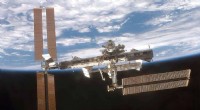
7. Man-made Objects in Orbit:
* Source: Space debris and other man-made objects in Earth's orbit.
* Effect: Can collide with telescopes or interfere with observations.
* Impact: Potentially damages telescopes and limits observations.
* Mitigation:
* Tracking space debris to avoid collisions.
* Developing strategies for removing space debris.
It's important to note that astronomers are constantly working to overcome these challenges, using advanced technologies and innovative techniques to minimize interference and maximize the quality of their observations.