To Mars:
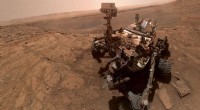
* Current Technology: The fastest spacecraft to reach Mars took about 7 months (e.g., the Mars Curiosity rover).
* Future Possibilities: With more powerful engines and advanced propulsion systems, we might see travel times cut down to 3-6 months in the future.
To Saturn:
* Current Technology: It takes 7 years or more to reach Saturn using current technology. For example, the Cassini mission took almost 7 years to reach Saturn.
* Future Possibilities: While possible, shortening the travel time to Saturn is a much bigger challenge than for Mars. It would require a significant leap in propulsion technology, possibly involving concepts like nuclear fusion or ion propulsion.
Important Considerations:
* Launch Windows: The time it takes to reach a planet depends heavily on the launch date. The planets' orbital positions relative to Earth determine the most efficient trajectory.
* Mission Objectives: The specific mission and scientific goals can influence the chosen flight path and the time it takes to reach a target.
* Fuel Efficiency: More efficient engines and fuel systems would dramatically decrease travel times, but developing such technology is a major engineering challenge.
In Conclusion:
Traveling to Mars is within our technological reach, with potential for further reduction in travel time with advancements. Reaching Saturn is a much longer and more demanding journey that will require significant breakthroughs in propulsion systems.