* Air Masses and Their Properties: Air masses are large bodies of air that take on the characteristics of their source region. This means they have specific temperatures, humidity levels, and pressure.
* Movement and Interaction: When air masses move, they interact with other air masses, leading to changes in weather. For example:
* Fronts: The boundaries between different air masses are called fronts. As a front moves through an area, it can bring changes in temperature, precipitation, and wind.
* Convergence and Divergence: When air masses converge, they can cause rising air and potential precipitation. Divergence leads to sinking air and clear skies.
* Weather Patterns: The movement of air masses is a key driver of weather patterns. Understanding the movement of air masses allows meteorologists to predict:
* Temperature changes: Warm air masses bring warmer temperatures, while cold air masses bring cooler temperatures.
* Precipitation: Rising air cools and can lead to condensation and precipitation.
* Wind: The pressure differences between air masses create winds.
* Storms: The interaction of air masses, especially along fronts, can lead to the development of storms.
How Meteorologists Use Air Mass Movement:
* Weather Maps: Meteorologists use weather maps to track the movement of air masses.
* Computer Models: Sophisticated computer models simulate the movement of air masses and help predict future weather conditions.
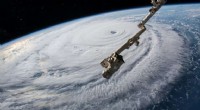
* Satellite Imagery: Satellites provide valuable data on air mass movement, cloud cover, and other factors that influence weather.
Important Note: While air mass movement is a crucial factor in weather prediction, other factors also play a role, including:
* Topography: Mountains, valleys, and other geographical features can influence air flow.
* Ocean Currents: Ocean currents can affect the temperature and humidity of air masses.
* Solar Radiation: The amount of sunlight reaching a region influences temperature and weather patterns.
In summary, the movement of air masses is a vital component in weather forecasting, providing insights into temperature, precipitation, wind, and storm development.