1. Incoming Solar Radiation:
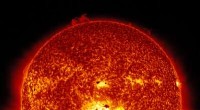
* The closer a planet is to its star, the more solar radiation it receives. This is because the radiation spreads out over a larger area as it travels further from the star.
* The intensity of solar radiation decreases with the square of the distance. This means that doubling the distance from a star reduces the radiation intensity to one-fourth.
2. Albedo:
* Albedo is the reflectivity of a planet's surface. A planet with a high albedo, like Venus, reflects a lot of incoming solar radiation, making it cooler than it might otherwise be. A planet with a low albedo, like Earth, absorbs more radiation, leading to higher temperatures.
3. Greenhouse Effect:
* The greenhouse effect is the trapping of heat by certain gases in a planet's atmosphere. These gases, like carbon dioxide and methane, allow sunlight to pass through but prevent some of the heat from escaping back into space.
* The strength of the greenhouse effect can vary depending on the composition of the atmosphere. A planet with a thick atmosphere and high concentrations of greenhouse gases, like Venus, will experience a stronger greenhouse effect and therefore a higher surface temperature.
4. Other Factors:
* Rotation: A planet's rotation rate can affect its temperature distribution, with faster rotation leading to more uniform temperatures.
* Internal Heat: Some planets, like Jupiter, generate their own internal heat, which can contribute to their surface temperature.
* Ocean Currents: On planets with liquid water, ocean currents can redistribute heat from the equator towards the poles, influencing regional temperatures.
Examples:
* Mercury: Closest to the Sun, Mercury receives intense solar radiation and has a very high surface temperature, even though it has no atmosphere.
* Venus: Despite being further from the Sun than Mercury, Venus has a much hotter surface temperature due to its thick, CO2-rich atmosphere and strong greenhouse effect.
* Earth: Our planet is at a distance from the Sun that allows for liquid water, and a moderate greenhouse effect keeps the planet warm enough to support life.
* Mars: Further from the Sun than Earth, Mars receives less solar radiation and has a thin atmosphere, resulting in a much colder surface temperature.
In summary, the distance of a planet from its star is a crucial factor influencing surface temperature, but it interacts with other factors like albedo, atmospheric composition, and internal heat to determine the final temperature.