Natural Objects:
* Celestial Bodies:
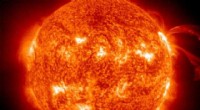
* Sun: The star at the center of our solar system.
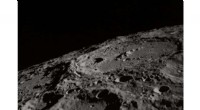
* Moon: Earth's natural satellite, reflecting sunlight.
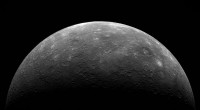
* Planets: Large celestial bodies orbiting the Sun (Mercury, Venus, Mars, Jupiter, Saturn, Uranus, Neptune).
* Stars: Massive, luminous spheres of plasma, like our Sun.
* Constellations: Groups of stars that appear close together from Earth (e.g., Ursa Major, Orion).
* Meteors/Shooting Stars: Small particles of debris burning up in Earth's atmosphere.
* Comets: Iced bodies that release gas and dust as they approach the Sun, creating tails.
* Earth-Based Phenomena:
* Clouds: Visible masses of water droplets or ice crystals in the atmosphere.
* Rainbows: Arcs of colored light created by sunlight refracting through water droplets.
* Lightning: Electrical discharge in the atmosphere, often during thunderstorms.
* Aurora Borealis (Northern Lights) and Aurora Australis (Southern Lights): Colorful displays of light in the sky caused by charged particles from the Sun interacting with Earth's atmosphere.
Man-Made Objects:
* Satellites: Artificial objects orbiting Earth, used for communication, navigation, observation, etc.
* Spacecraft: Vehicles designed to travel in space (e.g., the International Space Station).
* Aircraft: Flying vehicles, including planes and helicopters.
Factors Affecting Visibility:
* Time of Day: Some objects are more visible at night (stars, moon, some planets), while others are more prominent during the day (sun, clouds).
* Weather Conditions: Clear skies offer the best visibility, while clouds, fog, and haze obscure objects.
* Light Pollution: Artificial light from cities can make it difficult to see faint stars and celestial objects.
* Location: Your location on Earth affects what you can see in the sky. For example, the Northern Lights are primarily visible in high-latitude regions.
Observing the Sky:
* Naked Eye: Many celestial bodies are visible to the naked eye.
* Binoculars: Enhance the view of fainter objects like stars and distant planets.
* Telescopes: Provide a magnified view of celestial objects, revealing details not visible to the naked eye.
Let me know if you have any more questions about specific objects in the sky!