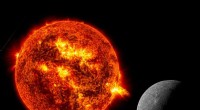
* Collisions vs. Encounters: Planets constantly encounter meteoroids. These are small pieces of rock or ice traveling through space. However, not all encounters result in a collision.
* Atmospheric Protection: Planets with atmospheres have a significant advantage. The atmosphere acts as a shield, burning up most smaller meteoroids before they can reach the surface.
* Gravity: A planet's gravity plays a role. Larger planets have stronger gravity, which can attract more meteoroids and debris.
* Size Matters: Smaller meteoroids are more likely to burn up in an atmosphere. Larger ones can make it through, but they are less frequent.
* Orbital Paths: The paths of planets and meteoroids through space determine the likelihood of encounters.
Here's a more accurate breakdown:
* Planets with Atmospheres: These planets are less likely to experience collisions with smaller meteoroids. They still get hit by larger ones, but these are less common.
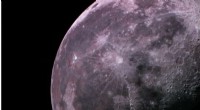
* Planets without Atmospheres: These planets are more vulnerable to collisions, as even small meteoroids can strike the surface without burning up.
Key Takeaway: While all planets are exposed to meteoroids, the likelihood of a collision depends on the presence of an atmosphere, the planet's gravity, and the size and frequency of meteoroids.