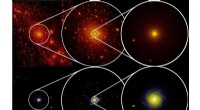
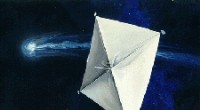
* Comets: Comets *do* have a temporary atmosphere, called a coma. This forms when a comet gets close to the Sun and the ice in its nucleus vaporizes, creating a cloud of gas and dust around the comet. The coma can be enormous, often larger than the Sun itself. However, it's incredibly thin and tenuous compared to Earth's atmosphere.
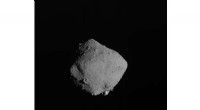
* Asteroids: Asteroids are generally too small and lack sufficient gravity to hold onto an atmosphere. They might have a thin layer of dust or gas clinging to their surfaces, but it wouldn't be considered a true atmosphere.
* Meteors: Meteors are the streaks of light we see when small pieces of debris from space enter Earth's atmosphere. They *don't* have their own atmosphere, but they heat up and ablate (burn away) as they interact with Earth's atmosphere. The glowing trail we see is the result of this burning, not an atmosphere surrounding the meteor itself.
In summary: Comets have a temporary, thin atmosphere, while asteroids generally lack one. Meteors don't have their own atmosphere but interact with Earth's atmosphere, causing them to burn up.