Here's a breakdown of their key differences:
Ground-Based Telescopes:
* Location: Located on Earth's surface.
* Advantages:
* Easier access and maintenance: Easier to reach and repair.
* Cost-effective: Generally less expensive to build and operate.
* Larger size: Can be built much larger than space telescopes.
* Disadvantages:
* Atmospheric distortion: Earth's atmosphere absorbs and scatters light, blurring images.
* Limited wavelengths: The atmosphere blocks some wavelengths of light, like infrared and ultraviolet.
* Limited observation time: Weather conditions can affect observations.
Space Telescopes:
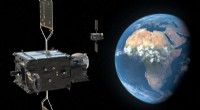
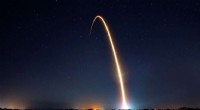
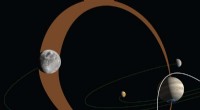
* Location: Orbiting Earth or in space.
* Advantages:
* Unimpeded view: No atmospheric interference, resulting in clearer images.
* Access to all wavelengths: Can observe all wavelengths of light, including those blocked by the atmosphere.
* Continuous observation: Not affected by weather.
* Disadvantages:
* Difficult access and maintenance: More expensive and challenging to repair.
* Smaller size: Limited by launch vehicle capabilities.
* Costly: Significantly more expensive to build and launch.
In summary:
* Ground-based telescopes are easier to access and maintain, but suffer from atmospheric limitations.
* Space telescopes provide a clear view of the universe but are more expensive and difficult to operate.
The type of telescope used depends on the scientific goals of the observation. For example, ground-based telescopes are excellent for studying visible light objects, while space telescopes are ideal for observing infrared or ultraviolet light, or for observing very faint objects.