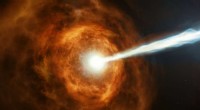
1. The Sun:
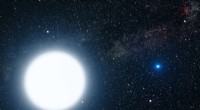
* Type: Star (a giant ball of hot gas that generates its own light and heat through nuclear fusion)
* Composition: Primarily hydrogen and helium
* Significance: Provides light, heat, and energy to the entire solar system
* Unique Feature: Its immense gravity holds the entire solar system together
2. Planets:
* Definition: Celestial bodies that orbit a star, are massive enough to be rounded by their own gravity, and have cleared their orbital neighborhood of other objects
* Types:
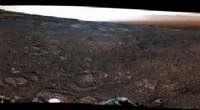
* Inner Planets (Terrestrial Planets): Mercury, Venus, Earth, Mars
* Characteristics: Rocky, solid surfaces, relatively small, dense, few or no moons
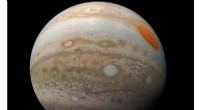
* Outer Planets (Gas Giants): Jupiter, Saturn, Uranus, Neptune
* Characteristics: Gaseous, massive, low density, many moons, ring systems
3. Dwarf Planets:
* Definition: Celestial bodies that orbit a star, are massive enough to be rounded by their own gravity, but have not cleared their orbital neighborhood of other objects
* Examples: Pluto, Eris, Ceres, Makemake, Haumea
* Key Difference from Planets: Share their orbital space with other objects of comparable size
4. Moons (Natural Satellites):
* Definition: Celestial bodies that orbit a planet or dwarf planet
* Characteristics: Vary in size and composition, some have atmospheres, others are tidally locked to their host planet
* Importance: Can influence the stability of planetary systems and provide unique environments for scientific exploration
5. Asteroids:
* Definition: Rocky, irregularly shaped bodies that mostly orbit the Sun between Mars and Jupiter in the asteroid belt
* Characteristics: Range in size from a few meters to hundreds of kilometers, some have moons
* Importance: Provide clues to the early solar system's formation and composition
6. Comets:
* Definition: Icy bodies with tails that develop when they approach the Sun
* Characteristics: Composed of dust, ice, and frozen gases, often exhibit coma (fuzzy atmosphere) and tail
* Importance: Evidence of the early solar system's composition and bring organic molecules to Earth
7. Meteoroids, Meteors, and Meteorites:
* Meteoroids: Small rocky or metallic bodies in space
* Meteors: Meteoroids that enter Earth's atmosphere and burn up, creating a streak of light (shooting star)
* Meteorites: Meteoroids that survive the atmospheric journey and impact Earth's surface
Differences in a Nutshell:
* Size and Composition: Objects vary greatly in size and composition, from the massive, gaseous giants to the tiny, rocky asteroids.
* Orbit and Location: Each object has its own distinct orbit and location within the solar system, influencing their evolution and properties.
* Formation: Different objects have different formation processes, with some forming early in the solar system and others arising from collisions and gravitational interactions.
* Activity and Evolution: Objects exhibit different levels of activity and evolution, from the Sun's constant nuclear fusion to the slow, gradual change of asteroids over billions of years.
Understanding these differences allows us to appreciate the complexity and diversity of the solar system and how each object plays a role in its dynamic history.