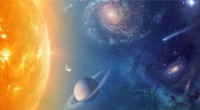
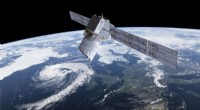
* The Atmosphere Acts as a Filter: The Earth's atmosphere acts like a giant filter, absorbing and scattering different wavelengths of light.
* Ozone Layer is Crucial: The ozone layer, a part of the stratosphere, is especially important for absorbing most of the harmful UV-C and most of the UV-B radiation.
* UV-A Makes it Through: While most UV-C and UV-B rays are filtered out, a significant amount of UV-A radiation can penetrate the atmosphere and reach the surface.
Here's a breakdown of how different UV rays are affected:
* UV-C (100-280nm): These rays are the most energetic and harmful. They are completely absorbed by the ozone layer and never reach the surface.
* UV-B (280-315nm): Most UV-B rays are also absorbed by the ozone layer, but a small percentage can reach the surface, causing sunburns and skin cancer.
* UV-A (315-400nm): These rays penetrate the atmosphere most easily. They are less harmful than UV-B, but they can still contribute to skin aging and eye damage.
Factors that Influence UV Radiation Reaching the Surface:
* Time of Day: UV radiation is strongest during midday when the sun is directly overhead.
* Latitude: UV radiation is stronger at lower latitudes (closer to the equator) because the sun's rays hit the Earth at a more direct angle.
* Altitude: UV radiation is stronger at higher altitudes because there is less atmosphere to absorb the rays.
* Weather Conditions: Clouds can block some UV radiation, but they don't block all of it.
Importance of Protecting Yourself:
Because some UV radiation does reach the surface, it's important to protect yourself from its harmful effects. This can be done by:
* Wearing sunscreen: Apply sunscreen with a high SPF (Sun Protection Factor) and reapply regularly.
* Seeking shade: Stay out of direct sunlight, especially during midday.
* Wearing protective clothing: Cover up with long sleeves, pants, and a hat.
* Wearing sunglasses: Protect your eyes from UV radiation.