* Star's Life Cycle: Massive stars (much larger than our Sun) fuse heavier elements in their cores throughout their lives. This process releases energy that counteracts gravity, preventing the star from collapsing.
* Iron Core Formation: Eventually, the core becomes filled with iron. Iron fusion doesn't release energy; instead, it absorbs energy. This leads to the core's instability.
* Core Collapse: Without the outward pressure from fusion, gravity overwhelms the core, causing it to collapse in on itself incredibly rapidly.
* Shockwave and Explosion: The collapse triggers a shockwave that travels outward, ripping through the star's outer layers. This releases an enormous amount of energy in a violent explosion known as a supernova.
Key points about supernova explosions:
* Extreme Energy Release: Supernovae are incredibly powerful events, releasing more energy in a few seconds than our Sun will emit in its entire lifetime.
* Creation of Heavy Elements: The intense heat and pressure within the explosion forge many heavy elements, contributing to the chemical makeup of the universe.
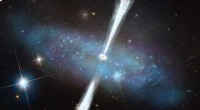
* Remnant Formation: Depending on the star's mass, the explosion can leave behind either a neutron star or a black hole.
Supernovae are some of the most dramatic and significant events in the cosmos, playing a vital role in the evolution of galaxies and the creation of the elements we see today.