Sources of light:
* Sun and Stars: These are the most common sources of light we know. They produce light through nuclear fusion, a process where atomic nuclei combine, releasing immense energy as light and heat.
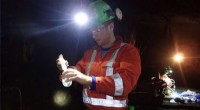
* Chemical Changes: Certain chemical reactions, like combustion (burning) or chemiluminescence (like glow sticks), release energy in the form of light.
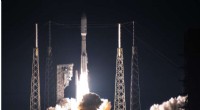
* Incandescence: This is the emission of light from a heated object. Examples include incandescent light bulbs, fire, and even a hot stovetop.
* Fluorescence: Certain materials absorb light at one wavelength and then re-emit it at a longer wavelength. This is how fluorescent lights work, as well as some minerals under UV light.
* Phosphorescence: Similar to fluorescence, but the re-emission of light lasts longer, even after the excitation source is removed. Examples include glow-in-the-dark toys and some watch dials.
* Bioluminescence: This is the production of light by living organisms, such as fireflies, jellyfish, and some deep-sea creatures.
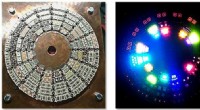
* Electricity: Passing electricity through a conductor can create light. This is the basis for LED lights, neon signs, and lightning.
In summary: While the sun and chemical changes are important sources of light, there are other physical processes that can also produce light.