What Telescopes Can Detect:
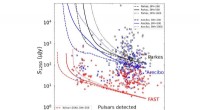
* Radio waves: Radio telescopes are specifically designed to detect radio waves emitted by celestial objects. These waves can be used to study the structure of galaxies, the behavior of stars, and even the cosmic microwave background radiation.
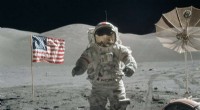
* Sound: Sound waves are mechanical waves that require a medium (like air or water) to travel. The vast vacuum of space does not have a medium for sound to propagate through. Therefore, telescopes cannot detect sound from space.
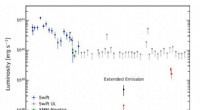
* X-rays: X-ray telescopes are designed to detect X-rays emitted by extremely hot and energetic objects in space, such as supernova remnants, black holes, and active galactic nuclei.
* Visible light: This is the type of light our eyes can see. Telescopes, both ground-based and space-based, are equipped with mirrors and lenses to focus visible light, allowing us to observe stars, planets, galaxies, and other celestial objects.
In Summary:
* Telescopes can detect radio waves, visible light, and X-rays.
* Telescopes cannot detect sound.
Let me know if you have any other questions!