* Comets: Yes, comets are named after their discoverers. For example, Halley's Comet is named after Edmond Halley. There are some exceptions:
* Comets discovered before the modern naming convention were sometimes named after their appearance or features (e.g., Great Comet of 1680).
* Some comets are named after the observing observatory or project that discovered them (e.g., Comet Shoemaker-Levy 9).
* Meteors: No, meteors are not named. They are fleeting streaks of light caused by small particles entering Earth's atmosphere and burning up. We sometimes name meteor showers based on the constellation they appear to originate from (e.g., Perseid meteor shower).
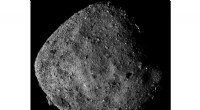
* Asteroids: Yes, asteroids are named.
* Smaller asteroids are often given a provisional designation like "2003 EH1" based on their discovery date.
* Once their orbit is well-determined, they receive a permanent number (e.g., 2003 EH1 becomes 162082).
* The discoverer then gets to suggest a name, which is subject to approval by the International Astronomical Union (IAU).
Key Points:
* The International Astronomical Union (IAU) is the governing body for astronomical naming. They establish and oversee the naming process.
* The naming conventions for comets, asteroids, and meteors are different because of their unique characteristics and significance.
* Naming celestial objects helps astronomers and the public identify and track them.
Let me know if you have any other questions about these fascinating objects!