* The universe is vast: The changes we observe in the universe happen over incredibly long timescales – millions, billions, even trillions of years. 2000 years is just a blip in cosmic time.
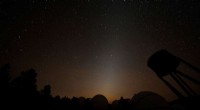
* Our perspective: From our viewpoint on Earth, the observable universe hasn't changed dramatically in that time. We'd still see the same constellations, planets, and stars in the night sky.
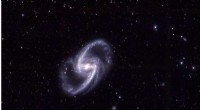
* The Milky Way: The Milky Way galaxy, our home, is about 100,000 light-years across. Even at the speed of light, it would take 100,000 years to travel across it. In 2000 years, the galaxy's appearance wouldn't be noticeably different.
However, there are some subtle differences that *might* have been observable 2000 years ago:
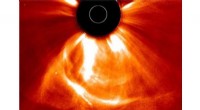
* Supernovae: While rare, a supernova might have been visible in the sky. A supernova is a massive star exploding, and the light from such an event can be brighter than an entire galaxy.
* Cometary Activity: Comets are icy bodies that can produce spectacular displays as they pass close to the sun. The frequency of cometary activity varies, but it's possible a particularly bright comet was visible in the sky 2000 years ago.
The key takeaway is that 2000 years is a very short timeframe in the grand scheme of the universe. The universe looked essentially the same then as it does now.