1. High Cost: Space exploration requires enormous financial resources. Developing spacecraft, launching vehicles, and conducting missions requires significant investments, making it a costly endeavor.
2. Technological Challenges: Space exploration pushes the boundaries of technology, requiring advancements in propulsion systems, life support systems, robotics, and communication systems. Developing and implementing these cutting-edge technologies pose significant challenges.
3. Safety Risks: Space exploration involves inherent risks to astronauts and spacecraft. The extreme conditions of space, such as microgravity, radiation exposure, and the possibility of accidents during launch or re-entry, pose safety concerns.
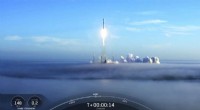
4. Launch and Re-entry: Launching payloads into space and safely returning them to Earth are intricate and complex processes. There are numerous points of potential failure during these critical stages, requiring meticulous planning and execution.
5. Long-Term Space Exploration: Missions that involve extended stays in space, such as exploring Mars, pose challenges in terms of life support systems, psychological effects of long-term confinement, and the potential for health risks in the space environment.
6. Unpredictable Space Environment: Space is unpredictable and can present unforeseen challenges. Factors like space weather, micrometeoroids, and orbital debris can pose threats to spacecraft and astronauts.
7. Communication Delays: Communication between spacecraft and Earth is limited by the speed of light. When missions are far from Earth, communication delays can hinder real-time decision-making and control.
8. Political and International Collaboration: Space exploration efforts often require international collaboration, which can be challenging due to varying political agendas and priorities among different nations.
9. Search for Extraterrestrial Life: While the search for extraterrestrial life is compelling, it also raises complex ethical and philosophical questions if discovered, including potential implications for humanity's place in the universe.
10. Public Engagement and Support: Sustaining public interest and support for long-term space exploration endeavors can be challenging, as tangible benefits may not always be immediately apparent. Striking a balance between ambitious goals and achievable objectives is crucial.