The size and shape of the shadow depend on the position and size of the object and the angle at which light is incident on it. The closer the light source is to the object, the smaller the shadow will be. The farther the light source is from the object, the larger the shadow will be. Similarly, the larger the object, the larger the shadow will be.
The angle at which light is incident on the object also affects the shape of the shadow. If light strikes the object at a right angle (90 degrees), the shadow will be directly behind the object. If light strikes the object at an angle, the shadow will be elongated in the direction away from the light source.
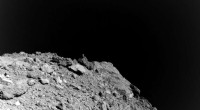
Shadows are a common phenomenon in nature. They can be seen on Earth during the day when sunlight is obstructed by buildings, trees, and other objects. Shadows are also visible on other planets and moons that have a light source.