1. Choose the Right Location:
- Pick a location with minimal light pollution.
- Look for areas with a dark sky and a clear horizon.
- National parks and rural areas are good options.
2. Use the Right Camera and Lens:
- Use a DSLR or mirrorless camera with a low noise sensor.
- Choose a wide-angle lens (e.g., 14-24mm) to capture more of the night sky.
3. Set the Correct Settings:
- Set the camera to manual mode.
- Use a low ISO (e.g., 100-400) to reduce noise.
- Open the aperture as wide as possible (e.g., f/2.8).
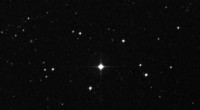
- Set a long shutter speed (e.g., 15-30 seconds). This allows enough time for the stars to register on the camera.
4. Use a Stable Camera Support:
- Use a sturdy tripod to prevent camera shake.
- Secure your camera to the tripod properly.
- Avoid touching or bumping the tripod during long exposures.
5. Use a Remote Shutter Release:
- Use a remote shutter release, like a cable release or wireless remote, to trigger the camera remotely.
- This minimizes vibrations that can blur the stars.
6. Practice Focusing in the Dark:
- Practice focusing on bright stars or distant objects in the dark.
- Use magnified live view on your camera to assist in this process.
- Focus to infinity if your lens has an infinity focus mark.
7. Take Multiple Exposures:
- Take several shots of the same scene with the same settings.
- This increases the chances of capturing sharp stars, even if some images have slight movement or camera shake.
8. Learn Composition Techniques:
- Compose your shot with interesting foreground elements, such as trees or landscapes, to create a more compelling image.
- Include the Milky Way or other celestial objects in your frame.
9. Learn About Star Trails:
- If you set your shutter speed longer, you can create beautiful star trails.
- Experiment with different shutter speeds (minutes to hours) to achieve the desired effect.
10. Post-Processing:
- Use photo editing software to enhance your star shots.
- Adjust things like contrast, curves, and white balance to make the stars stand out.
- Reduce noise and remove unwanted elements.
Remember that practice makes perfect. Experiment with different settings and techniques to develop your skills and artistic style. Patience is key, as the best star photography often occurs during clear nights with minimal light interference.