As the moon orbits the Earth, different parts of the moon are illuminated by the sun at different times. This means that the moon appears to change shape throughout the month, as we see different portions of the moon's surface illuminated.
When the moon is between the Earth and the sun, the side of the moon that is facing the Earth is not lit by the sun. This is called a new moon, and the moon appears as a dark circle in the sky.
As the moon moves away from the Earth and the sun, more of the moon's surface becomes illuminated by the sun. This causes the moon to appear to grow larger and brighter in the sky.
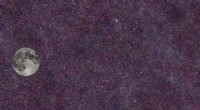
When the moon is on the opposite side of the Earth from the sun, the side of the moon that is facing the Earth is fully illuminated by the sun. This is called a full moon, and the moon appears as a bright circle in the sky.
The cycle of the moon's phases repeats itself every 29.5 days.