- The Sun - The Sun is the primary source of light for Earth and the other planets in our solar system. It emits its own light due to the thermonuclear fusion reactions that take place in its core.
- Stars - Stars are giant balls of hot gas that produce their own light through nuclear fusion. They are the primary sources of light in the night sky.
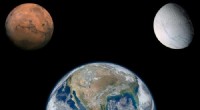
- Planets - Planets do not produce their own light, but they reflect sunlight. This is why planets appear to shine in the night sky.
- The Moon - The Moon does not produce its own light, but it reflects sunlight. This is why the Moon appears to shine in the night sky.
- Comets - Comets are icy objects that reflect sunlight. When a comet approaches the Sun, its ice begins to melt and vaporize, creating a tail that can be seen from Earth.
- Asteroids - Asteroids are rocky objects that reflect sunlight. They are typically much smaller than planets, but some can be quite large.
- Artificial satellites - Artificial satellites are man-made objects that orbit Earth. They reflect sunlight, which is why they can be seen from Earth.
- Fireflies - Fireflies are insects that produce their own light through a chemical reaction that takes place in their abdomens.
- Light bulbs - Light bulbs produce light through the incandescence of a filament or the emission of light from a gas discharge.
- Lasers - Lasers produce light through the stimulated emission of radiation.