Here's why it's difficult and potentially dangerous to look at the sun directly:
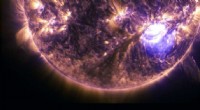
1. Excessive Brightness: The sun is the brightest object in our sky. When you look at it directly, the intense light can overwhelm and temporarily blind the sensitive cells in the retina, leading to impairment of vision.
2. UV Radiation: The sun emits short-wave ultraviolet radiation, which can penetrate the cornea and reach the lens and retina of the eye. UV light can cause damage to the delicate tissues and structures of the eye.
3. Retinal Damage: Staring at the sun for even a few seconds can cause permanent damage to the retina, the light-sensitive layer at the back of the eye. The UV light can destroy photoreceptor cells, including cones and rods, resulting in blind spots or blurred vision.
4. Photokeratitis: Exposure to intense UV rays from the sun can lead to photokeratitis, commonly known as sunburn of the cornea. Symptoms may include pain, inflammation, redness, blurred vision, and a sensation of something stuck in the eye.
5. Cataracts and Macular Degeneration: Prolonged sun exposure over time is a risk factor for developing cataracts (clouding of the lens) and macular degeneration (damage to the macula, the central portion of the retina responsible for detailed central vision).
It's crucial to protect your eyes when looking at the sun, even during partial solar eclipses. Sunglasses provide some protection, but it's best to use eclipse glasses or solar viewers specifically designed to safely observe the sun. Using welding masks, binoculars, telescopes, or regular sunglasses is not considered safe, as they may not provide sufficient UV protection.
Remember that the sun is simply too bright for our eyes to handle without proper protection. Looking at the sun directly can have severe and potentially irreversible consequences for your vision. It's essential to take necessary precautions to shield your eyes from harmful sunlight and enjoy the beauty of the natural world safely.