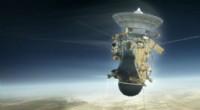
1. Scientific Exploration: Space travel allows us to study and understand the universe beyond our planet. It enables scientists to explore celestial bodies, gather valuable data, and make discoveries that enhance our knowledge of the cosmos.
2. Technological Advancements: Space exploration drives innovation by demanding the development of cutting-edge technologies. Advances made for space missions often have spillover effects, improving various aspects of life on Earth, such as telecommunications, weather forecasting, and medical devices.
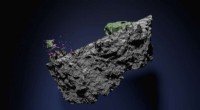
3. Resource Utilization: Space contains valuable resources that could benefit humanity. Asteroids and comets may hold valuable minerals and water, which could be utilized in the future to sustain human life and economic activities.
4. Habitability and Future of Humanity: By studying other planets and celestial bodies, we gain insights into the conditions necessary for habitability and the potential for extraterrestrial life. Understanding these conditions can help us safeguard Earth and plan for the long-term survival of our species.
5. Space and Earth Observation: Space-based observation and monitoring provide valuable data for weather forecasting, climate change research, disaster management, and environmental protection. Satellites orbiting the Earth collect essential data for monitoring environmental indicators and planning sustainable practices.
6. Collaborative Endeavors: Space exploration fosters international collaboration and cooperation among countries and scientific institutions. Working together on space missions promotes peace and understanding among nations.
7. Inspiration and Education: Space exploration inspires young minds to pursue careers in science, technology, engineering, and mathematics (STEM) fields. The fascination with space exploration captivates people worldwide and encourages them to dream big and strive for achievements beyond our planet.
8. Economic Opportunities: The space industry generates significant economic benefits through job creation, technological advancements, and spin-off industries. Investments in space exploration often lead to new products and services that drive economic growth.
9. Long-term Sustainability: Exploring other planets and celestial bodies can help us learn from potential planetary hazards, such as asteroid impacts, and develop strategies to mitigate risks and ensure long-term sustainability for our planet.
10. Exploration and Discovery: Humans have a natural curiosity to explore and discover new frontiers. Just as we have explored our own planet, space exploration is a continuation of our inherent drive to understand and experience the unknown.