1. High-altitude balloons: One of the earliest methods was the use of high-altitude balloons. Scientists attached instruments such as thermometers, barometers, and hygrometers to balloons and released them into the atmosphere. These balloons could reach altitudes of several kilometers and provided valuable data on temperature, pressure, and humidity.
2. Rocket soundings: Rockets were used to launch instruments even higher into the atmosphere. These rockets could carry more advanced instruments and reach altitudes of tens or even hundreds of kilometers. Rocket soundings allowed scientists to study the composition, density, and temperature of the upper atmosphere and even collect samples of atmospheric particles.
3. Ground-based observations: Various ground-based observations were also used to study the upper atmosphere. These included optical observations, such as spectroscopy and photometry, to analyze the light emitted or absorbed by atmospheric molecules and atoms. Additionally, radar and lidar (light detection and ranging) were used to study the properties of the ionosphere and the dynamics of the upper atmosphere.
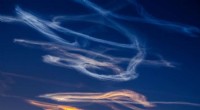
4. Meteor trails: Observations of meteor trails provided information about the upper atmosphere. When meteors enter the Earth's atmosphere, they create a trail of ionized gas that can be tracked. By studying the movement of these trails, scientists could gain insights into the winds and turbulence in the upper atmosphere.
5. Auroral studies: Auroras, the beautiful light displays in the sky caused by solar particles interacting with the Earth's magnetic field, were also a valuable source of information. Scientists изучал auroras to learn about the composition and structure of the thermosphere and ionosphere.
These techniques, although limited by the technology of the time, allowed scientists to make significant progress in understanding the upper atmosphere and paved the way for further advancements and discoveries with the development of more sophisticated instruments and methods.