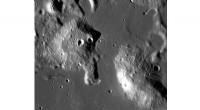
The Lunar Orbiter probes used a variety of camera systems to take high-resolution photographs of the moon's surface. These photographs were then used to create detailed maps of the moon, which were essential for planning the Apollo missions. The Lunar Orbiter probes also collected data on the moon's gravitational field and radiation levels.
The Lunar Orbiter program was a success, and the data collected by the probes was essential for the success of the Apollo missions. The Lunar Orbiter probes also provided a wealth of information about the moon, which has been used by scientists to study the moon's history and geology.