1. Choose the Right Time and Location:
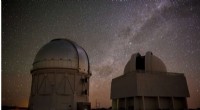
- Select a clear night with minimal light pollution for better stargazing conditions.
- Find a location away from bright city lights and tall buildings.
2. Research and Identify:
- Research the star you want to find. Determine its name, constellation, and approximate location in the sky. Star maps, astronomical applications, and books can help you identify the star.
3. Understand Constellations:
- Constellations are groups of stars that form recognizable patterns. They serve as guides to locate individual stars.
4. Use Star Charts and Apps:
- Print out a star chart or use a stargazing application on your smartphone or tablet. These tools can provide detailed maps of the night sky and make it easier to find the star.
5. Learn the Star's Position:
- Determine the star's position in the sky by considering its right ascension (RA) and declination (DEC). These coordinates indicate the star's location in the celestial coordinate system.
6. Scan the Horizon:
- Start by scanning the horizon for the brightest star you recognize, such as Sirius or Vega. These can serve as reference points.
7. Follow Constellation Lines:
- Trace the lines connecting the stars within the constellation where your target star resides. Constellations often resemble shapes like animals or mythical figures.
8. Use a Planisphere:
- A planisphere is a rotating star map that shows the visible stars based on your location and time of observation. It can help you visualize the night sky and star positions.
9. Be Patient and Adaptive:
- Depending on factors such as light pollution and atmospheric conditions, some stars may be fainter than expected. Give your eyes time to adjust to the darkness.
10. Explore the Night Sky:
- Enjoy the process of exploring the night sky and discovering the beauty of stars. Don't be afraid to explore constellations nearby as you search for your target star.
Remember, stargazing requires practice, and finding a star for the first time may require some patience and persistence. But the experience of locating and observing a star is truly worth the effort, connecting you to the vastness and wonder of the universe.