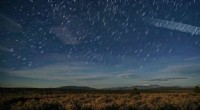
Shooting stars are not actually stars. They are small pieces of rock and dust from space called meteoroids. When a meteoroid enters the Earth's atmosphere, it heats up and glows, creating a streak of light in the night sky.
Meteoroids can come from a variety of sources, including:
* Asteroids: These are large, rocky objects that orbit the Sun. When two asteroids collide, they can produce meteoroids.
* Comets: These are balls of ice and dust that orbit the Sun. When a comet passes close to the Sun, the heat can cause some of the ice to vaporize, producing meteoroids.
* Interplanetary dust: This is a cloud of tiny particles that orbit the Sun. These particles can be produced by collisions between asteroids and comets, or by the solar wind.
What causes shooting stars to streak across the night sky?
When a meteoroid enters the Earth's atmosphere, it is moving at a very high speed. This causes the meteoroid to heat up and glow, creating a streak of light in the night sky. The streak of light is called a meteor.
The speed of a meteor can vary from a few kilometers per second to tens of kilometers per second. The faster a meteor is moving, the brighter its streak of light will be.
Meteors can appear in any part of the night sky, but they are most common near the horizon. This is because the Earth's atmosphere is thicker near the horizon, so meteoroids are more likely to heat up and glow when they enter the atmosphere at a lower altitude.
How long do shooting stars last?
Meteors typically last for only a few seconds. This is because they quickly lose their heat and disintegrate in the Earth's atmosphere. However, some meteors can last for several minutes. These meteors are called fireballs.
Are shooting stars dangerous?
No, shooting stars are not dangerous. They are simply small pieces of rock and dust that pose no threat to humans or property.