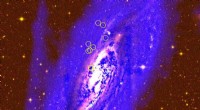
The abundance of hydrogen in the universe has a profound impact on the formation and evolution of celestial bodies. Hydrogen is the main component of stars, which are the basic building blocks of galaxies. Stars are formed when clouds of hydrogen gas collapse under their own gravity. As the gas cloud collapses, it heats up and the hydrogen atoms begin to fuse together to form helium. This process of nuclear fusion releases enormous amounts of energy, which causes the star to shine.
The amount of hydrogen in a star determines how long it will live. Stars with more hydrogen will live longer than stars with less hydrogen. This is because the hydrogen is the fuel for the nuclear fusion reactions that power the star. When the star runs out of hydrogen, it will eventually die.
The abundance of hydrogen in the universe also affects the formation of planets. Planets are formed when dust and gas from a star-forming region collide and stick together. The most common type of planet is a gas giant, which is made mostly of hydrogen and helium. Gas giants are formed when large amounts of hydrogen and helium gas collapse under their own gravity.
The abundance of hydrogen in the universe also affects the formation of life. Hydrogen is an essential element for all living things. It is used to make water, which is essential for life. Hydrogen is also used to make carbohydrates, proteins, and other organic molecules that are essential for life.
In summary, the abundance of hydrogen in the universe has a profound impact on the formation and evolution of celestial bodies and the existence of life.