- Astronomical Characteristics:
- Type of stellar explosion: A supernova is a catastrophic explosion of a massive star (at least 8 solar masses) that reaches the end of its life.
- Energy Output: Supernovae release an immense amount of energy, often outshining an entire galaxy for a short period.
- Nucleosynthesis: Supernovae play a significant role in the creation of heavy elements through nucleosynthesis.
- Impact on Surrounding Environment:
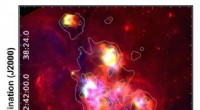
- Supernova Remnants: After the explosion, a supernova leaves behind a supernova remnant (SNR) which can be visible for thousands of years.SNR consists of expanding debris, shockwaves, and high-energy particles.
- Supernova Impact: The energy released by a supernova can have profound effects on the surrounding environment, trigger star formation in nearby regions, and influence the chemistry of the interstellar medium.
Nova:
- Astronomical Characteristics:
- Type of stellar explosion: A nova is a thermonuclear explosion that occurs on the surface of a white dwarf in a binary star system.
- Energy Output: Novas are less energetic compared to supernovae, but they still release a substantial amount of energy, briefly brightening the white dwarf.
- Recurrence: Novas can recur multiple times in the same stellar system, unlike supernovae which are one-time events.
- Impact on Surrounding Environment:
- Ejecta and Light: Novas expel material from the white dwarf's surface, creating a luminous shell of gas that expands outward.
- Nova Impact: The impact of a nova on its surroundings is less significant compared to a supernova. However, it can temporarily affect the environment around the binary system.