1. Asteroid Occultations: When an asteroid passes in front of a star, it can cause a temporary "blinking" or dimming of the star's light. This phenomenon is called an asteroid occultation and is a great opportunity to observe and study asteroids. To observe asteroid occultations, you will need to know the exact time and location of the event, which can be found through astronomical software or websites dedicated to occultation predictions.
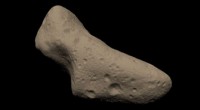
2. Large Asteroids: Some large asteroids may be bright enough to be visible with the naked eye, especially during favorable opposition events. Notable examples include Ceres, Vesta, Pallas, and Juno. These asteroids can appear as faint, moving objects in the night sky, but may be difficult to distinguish from stars without the aid of binoculars or telescopes.
3. Binoculars and Small Telescopes: Using binoculars or small telescopes can significantly improve your chances of observing asteroids. With a magnification of around 100x, you can start spotting smaller asteroids and even capture their movement over time with astrophotography. Look for objects that are not moving like stars, and compare their positions with star maps or specialized software like Stellarium to identify potential asteroid candidates.
4. Near Earth Objects (NEOs): Asteroids that come close to Earth's orbit are called NEOs. Some of these asteroids might pass relatively close to Earth and become brighter and easier to observe. Information about upcoming NEO encounters can be found through NASA's Near Earth Object Program website or similar sources, so you can plan your observations accordingly.
5. Astronomical Events and Apps: There are various astronomical events, such as asteroid close approaches or oppositions, when asteroids might be more visible and receive media attention. Additionally, there are mobile applications and online resources that provide information about observable asteroids and their locations in the night sky, which can assist you in your observations.
Remember, asteroid observation can be challenging and requires patience. It is important to have realistic expectations and gradually improve your observing skills and techniques over time. Happy asteroid hunting!