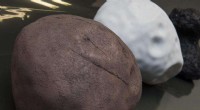
* The nucleus: The nucleus is the solid, central part of the comet and contains most of its mass. It is typically a few kilometres in diameter and is made up of ice and dust.
* The coma: The coma is the dusty, expanding atmosphere that surrounds the nucleus. It is created when the comet's ice begins to vaporise as it approaches the sun. The coma can be hundreds of thousands of kilometres in diameter and is often visible from Earth with the naked eye.
* The tail: The tail is a long, glowing trail of gas and dust that extends from the coma. It is created when the solar wind, a stream of charged particles from the sun, pushes the dust and gas away from the comet. The tail can be millions of kilometres long and is usually visible from Earth with the naked eye.