1. Monitoring Ground Deformation: Satellites equipped with Synthetic Aperture Radar (SAR) sensors can detect subtle changes in the Earth's surface. By analyzing SAR images acquired at different times, scientists can identify areas where the ground is deforming, which could be an indication of potential landslide activity.
2. Measuring Surface Water Content: Satellites can measure the amount of water present in the soil through sensors that detect variations in soil moisture. High soil moisture content can weaken slopes, making them more susceptible to landslides. By identifying areas with increased soil moisture, satellites can help identify potential landslide-prone regions.
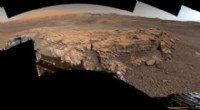
3. Mapping Geological Features: Satellites can provide high-resolution images that can be used to map geological features such as faults, fractures, and rock formations that are associated with landslide occurrence. This information can be used to assess the stability of slopes and identify areas at higher risk of landslides.
4. Monitoring Vegetation Change: Changes in vegetation cover can be indicative of slope instability. Satellites can detect changes in vegetation density and type, which can help identify areas where the root systems are no longer providing adequate support to the soil, increasing the risk of landslides.
5. Rainfall Monitoring: Satellites equipped with precipitation sensors can provide real-time data on rainfall intensity and distribution. Heavy rainfall is a major trigger for landslides, and satellite-based rainfall monitoring can help identify areas that are experiencing or are at risk of receiving excessive rainfall, allowing authorities to issue early warnings.
6. Integration with Other Data: Satellite data can be integrated with other sources of information, such as ground-based monitoring systems, weather data, and historical records, to create comprehensive landslide early warning systems. This integration allows for more accurate assessments and timely alerts.
By combining the capabilities of satellite remote sensing with advanced data analysis and modeling techniques, it is possible to develop satellite-based early warning systems that can help save lives and reduce the impact of landslides on vulnerable communities.