2. Look for Organic Molecules: Organic molecules are the building blocks of life. They are found in all living things, and they can also be found in non-living things. However, if organic molecules are found on Mars, it could be a sign that life once existed or may still exist there.
3. Study the Atmosphere: The atmosphere of Mars is very thin, but it does contain some gases that are essential for life, such as carbon dioxide and oxygen. If the atmosphere of Mars contains enough of these gases, it could be possible for life to survive there.
4. Look for Signs of Past Life: Mars has a very harsh environment today, but it was much more hospitable in the past. There is evidence that Mars once had a warmer climate, liquid water, and a thicker atmosphere. If there was once life on Mars, it may have left behind evidence of its existence, such as fossils or microbial mats.
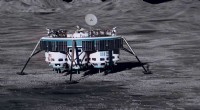
5. Use Rovers and Landers: Rovers and landers can be sent to Mars to search for signs of life. These vehicles can collect samples of soil and rock, and they can also take pictures and videos of the Martian surface. Rovers and landers have already been used to find evidence of past water activity on Mars, and they may one day find evidence of life.
6. Send a Human Mission: A human mission to Mars could be the best way to find signs of life. Humans can explore Mars in a way that robots cannot, and they can collect samples that can be brought back to Earth for further study. A human mission to Mars would be a major undertaking, but it would be worth the effort if it could finally answer the question of whether or not there is life on Mars.