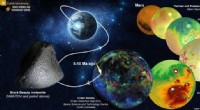
Early in its history, Mars may have had a thicker atmosphere that could have created a greenhouse effect, trapping heat and allowing for liquid water to exist on the surface. Some studies suggest that Mars could have had global oceans that covered much of the planet.
However, other research indicates that Mars's climate may have been colder than previously thought, with water existing in the form of ice near or on the surface. The presence of ancient river valleys and deltas suggests that water periodically flowed, but this could have occurred during short-lived warm periods or due to localized geothermal activity.
Understanding Mars's ancient climate is crucial for unraveling its geological history and determining if it could have ever supported life. Ongoing missions and research aim to gather more data and improve our understanding of Mars's past environments.