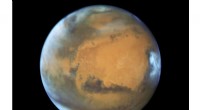
Here are some key factors and evidence that support the potential for life on Mars:
1. Past Water Presence: One of the most critical factors for life as we know it is the presence of liquid water. Mars shows evidence of having had a warmer and wetter past, with river valleys, deltas, and ancient lake beds observed on its surface. These geological features indicate that Mars once had a substantial amount of liquid water on its surface, creating a potentially habitable environment.
2. Habitability Zones: Scientists have identified specific regions on Mars, known as habitable zones, where conditions might have been suitable for liquid water to exist stably on the planet's surface. These zones are typically located at lower elevations, such as the Valles Marineris canyon system and the plains surrounding the Tharsis volcanoes, where water could have accumulated and persisted for extended periods.
3. Methane Detection: Trace amounts of methane gas have been detected in Mars' atmosphere. While methane can be produced through non-biological processes, such as geological activity or reactions between water and minerals, its presence on Mars is intriguing because on Earth, methane is predominantly produced by living organisms. Further studies are needed to determine the source of methane on Mars and whether it could be a sign of past or present microbial life.
4. Curiosity Rover Findings: NASA's Curiosity rover mission has discovered organic molecules and other chemical compounds in Martian rocks that are essential building blocks for life. These findings suggest that the necessary precursors for life, such as carbon and nitrogen-based molecules, are present on Mars.
5. Subsurface Environments: While the Martian surface is currently cold, dry, and exposed to intense radiation, there could be subsurface environments that offer protection and potentially habitable conditions. Subsurface water reservoirs, hydrothermal vents, or deep caves could provide stable temperatures, water, and shelter from the harsh surface conditions.
6. Possible Liquid Water Reservoirs: Recent research based on radar data from Mars orbiters suggests the presence of underground lakes or aquifers beneath the ice caps at the planet's poles. If confirmed, these subsurface reservoirs of liquid water could provide habitats where microorganisms could survive and thrive.
It is important to note that while these factors and evidence suggest the potential for life on Mars, they do not provide conclusive proof of its existence. Ongoing missions, such as the Perseverance rover and future sample return missions, aim to gather more data, including searching for biomarkers and assessing the habitability of specific regions on Mars to provide further insights into the possibility of past or present life on the Red Planet.