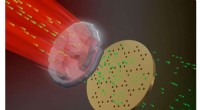
Fireflies, also known as lightning bugs, are fascinating insects that have captivated the imagination of humans for centuries. These nocturnal beetles produce a mesmerizing display of light through a process called bioluminescence. Each firefly species emits a unique color of light, ranging from greenish-yellow to red or orange. The variation in light color is a result of differences in the chemical composition of their light-producing organs.
Unraveling the Secrets of Fireflies' Light Emission
Scientists have been intrigued by the intricate mechanisms behind fireflies' light emission and have conducted extensive research to understand this phenomenon. Here are some key insights gained from their investigations:
1. Luciferase Enzyme and Luciferin: The light emission in fireflies involves a remarkable chemical reaction catalyzed by the enzyme luciferase. This enzyme reacts with a substrate called luciferin, resulting in the release of light energy.
2. Color Determination: The color of light emitted by a firefly is primarily determined by the structure of the luciferase enzyme. Each firefly species possesses a unique luciferase enzyme that catalyzes a specific oxidation reaction, leading to the emission of a characteristic color.
3. Energy Efficiency: Bioluminescence in fireflies is highly energy-efficient. Almost all of the chemical energy released by the luciferin-luciferase reaction is converted into light, with minimal energy lost as heat.
4. Function of Bioluminescence: Fireflies utilize their bioluminescent displays for various purposes, including communication, attracting mates, and warning potential predators. The specific purpose of the light emission can vary among different species.
Significance and Applications:
The study of fireflies and their bioluminescence has significant implications in several fields:
1. Biotechnology and Medicine: Understanding the mechanisms behind fireflies' efficient light production could pave the way for advancements in biotechnology, medical imaging, and drug discovery.
2. Energy Conservation: The energy-efficient light emission of fireflies inspires the development of novel lighting technologies and strategies for energy conservation.
3. Environmental Indicators: Fireflies' abundance and diversity serve as indicators of environmental health and ecological balance. Shifts in their populations can reflect changes in habitat quality and pollution levels.
4. Inspiring Art and Culture: The mesmerizing light displays of fireflies have been a source of inspiration for artists, writers, and musicians throughout history.
The continued investigation of fireflies and their unique light emission promises to deepen our understanding of bioluminescent processes, leading to potential breakthroughs in science and technology while simultaneously captivating our imaginations with their natural beauty.