One crucial factor is the composition of Proxima b's atmosphere. The presence and composition of gases such as methane, carbon dioxide, and water vapor play a significant role in regulating a planet's surface temperature and pressure. The lack of a substantial atmosphere could lead to extreme temperature variations and a harsh environment.
Furthermore, Proxima Centauri is a red dwarf star, which means it is smaller, cooler, and less luminous than our Sun. The reduced luminosity of red dwarfs can affect the amount of energy Proxima b receives, potentially leading to a cold and icy surface.
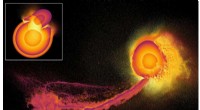
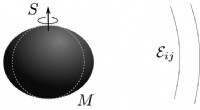
Tidal locking is another important consideration. Proxima b's close proximity to its host star may cause it to become tidally locked, meaning one side of the planet constantly faces the star while the other side is in perpetual darkness. This could result in extreme temperature differences between the two sides, making it challenging for life to thrive.
The potential for liquid water on the surface of Proxima b is a promising sign. However, further research and observations are necessary to better understand the planet's atmospheric composition, surface conditions, and potential geological activity to determine its true habitability.