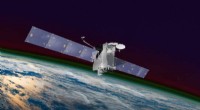
1. Wide Field of View: TESS has a wide field of view, allowing it to observe large areas of the sky simultaneously. This enables it to search for exoplanets around a vast number of stars in a single observation, increasing the chances of finding new exoplanets.
2. Transit Method: TESS utilizes the transit method to detect exoplanets. When an exoplanet passes in front of, or transits, its host star from our perspective, it causes a slight but measurable dip in the star's brightness. TESS monitors the brightness of thousands of stars and looks for these periodic dips, which indicate the presence of an exoplanet.
3. Long Observation Duration: Unlike previous missions that focused on observing specific target stars for a short duration, TESS operates continuously for extended periods, monitoring stars over months to years. This significantly increases the probability of detecting exoplanets with long orbital periods, some of which may be potentially habitable.
4. High Data Volume: TESS collects enormous amounts of data, including photometric measurements and light curves of target stars. This rich data enables scientists to identify exoplanet candidates and conduct detailed follow-up observations with other ground-based or space-based telescopes to confirm the exoplanets and characterize their properties.
5. Community Involvement: NASA has made the TESS data publicly available, providing opportunities for astronomers, citizen scientists, and research institutions around the world to contribute to exoplanet hunting. This has led to a collaborative global effort to analyze the data and discover new exoplanets.
6. Discovery of Earth-Size Planets: TESS has already discovered numerous Earth-size exoplanets, including several that are potentially habitable. These findings significantly contribute to our understanding of planetary systems and the potential for life beyond our solar system.
In summary, NASA's TESS spacecraft has revolutionized exoplanet hunting by expanding our search capabilities and enabling the discovery of a vast array of exoplanets, including Earth-size planets that could potentially support life. The ongoing observations and future data releases from TESS promise continued breakthroughs in the field of exoplanet science.