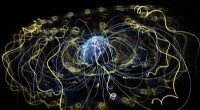
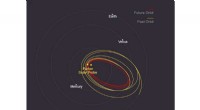
Sagittarius A* is a relatively calm and quiescent black hole compared to quasars. It does not have a substantial amount of matter falling onto it, and therefore, it does not emit the highly energetic radiation and strong jets characteristic of quasars.
For our galaxy to become a quasar, several factors would need to align, such as the accretion of a large amount of gas onto the black hole and the presence of abundant interstellar gas and dust for fuel. Given the current conditions and understanding of the Milky Way's evolution, these conditions are unlikely to occur in the foreseeable future.
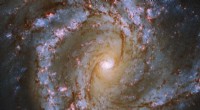
The Milky Way is a mature and stable galaxy with an older stellar population. It lacks the abundance of young stars and the dense gas clouds that are commonly associated with quasar activity. Quasars are primarily found in the early stages of galaxy formation and are more prevalent in the distant universe.
Based on our current knowledge, it is safe to say that the transformation of the Milky Way into a quasar is an extremely remote and improbable scenario.