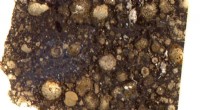
Deep-sea Microbial Communities and Biodegradation: The Deepwater Horizon spill had a profound impact on deep-sea microbial communities, but it also revealed their incredible adaptability. Scientists discovered hydrocarbon-degrading microbes at the spill site, and it was found that communities capable of breaking down oil components naturally exist in the deep ocean. This highlighted the potential for natural attenuation and biodegradation as remediation strategies.
Long-term Environmental Effects: Studies following the Deepwater Horizon incident continue to shed light on the long-term ecological consequences. Scientists observed impacts on marine organisms, including corals, fishes, and sea turtles, over extended periods. This knowledge contributed to the understanding of the spill's true environmental cost and influenced the development of more comprehensive restoration plans.
Enhanced Remote Sensing and Monitoring Techniques: The Deepwater Horizon response involved the widespread use of remote sensing technologies, such as sonar and satellite imagery, to monitor the oil slick's movement, thickness, and weathering. This improved understanding prompted the advancement of remote sensing methods for future spill detection, tracking, and response.
Risk Management and Contingency Planning: One significant outcome of Deepwater Horizon was increased focus on risk management and contingency planning for offshore drilling operations. The incident drove regulatory changes and industry best practices to enhance safety and emergency preparedness, minimizing the likelihood of future similar events.
Collaboration and Communication: The Deepwater Horizon event facilitated unprecedented collaboration between scientists, industry experts, government agencies, and non-governmental organizations. This collaborative effort accelerated research, facilitated knowledge sharing, and improved coordination in spill response efforts.