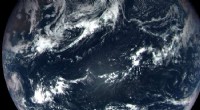
One of the main drivers of this change is the increase in global average temperatures, which leads to more evaporation from the Earth's surface. This additional moisture in the atmosphere can lead to more frequent and intense precipitation events. Additionally, as the atmosphere warms, it can hold more water vapor, which can lead to more extreme rainfall events.
Climate change can also affect the frequency and intensity of extreme precipitation events through changes in atmospheric circulation patterns. For example, some regions may experience more frequent and intense storms due to changes in jet stream patterns, while other regions may experience fewer storms due to changes in weather systems.
Overall, while extreme precipitation events have always occurred, there is evidence that climate change is leading to an increase in the frequency and intensity of these events in many parts of the world. Understanding these changes and their potential impacts is important for planning and adaptation efforts to reduce the risks associated with extreme precipitation events.