If you're new to stargazing, here are a few things you'll need to get started:
* A dark sky. The best place to go stargazing is away from city lights and other sources of light pollution. This will allow you to see more stars and galaxies.
* A stargazing app or book. A stargazing app or book can help you identify the stars and constellations that you see in the night sky.
* A telescope (optional). A telescope can help you get a closer look at the stars and galaxies that you see in the night sky. However, you don't need a telescope to enjoy stargazing.
Once you have the basics, you're ready to start stargazing! Here are a few tips to help you get the most out of your experience:
* Dress warmly. Stargazing can be a chilly activity, so make sure to dress warmly, especially if you're going to be out for a long time.
* Bring snacks and drinks. Stargazing can be a long activity, so it's a good idea to bring some snacks and drinks with you.
* Be patient. Stargazing takes time. It can take your eyes up to 30 minutes to fully adjust to the dark and start seeing the stars.
* Enjoy the experience! Stargazing is a relaxing and enjoyable activity. Take your time and enjoy the experience.
Here are some of the things you can see when you go stargazing:
* Stars. Stars are the most common objects in the night sky. They are large balls of gas that produce their own light.
* Planets. Planets are smaller than stars and they orbit stars. The planets that are visible to the naked eye are Mercury, Venus, Mars, Jupiter, and Saturn.
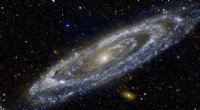
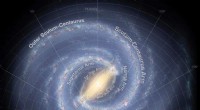
* Galaxies. Galaxies are large collections of stars, gas, and dust. The Milky Way is the galaxy that we live in.
* Nebulas. Nebulas are clouds of gas and dust where stars are born.
* Comets. Comets are balls of ice and dust that orbit the sun. When a comet comes close to the sun, it can develop a tail that can be seen from Earth.
* Meteor showers. Meteor showers are streams of meteors that appear when the Earth passes through the debris left behind by comets.
Stargazing is a great way to learn about the universe and our place in it. It's a relaxing and enjoyable activity that can be enjoyed by people of all ages and backgrounds. So what are you waiting for? Get started stargazing today!