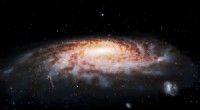
One of the main goals of JWST is to find the first galaxies that formed in the universe. These galaxies are thought to have been very small and faint, and they are difficult to detect with current telescopes. However, JWST's powerful infrared capabilities will allow astronomers to detect these galaxies for the first time.
JWST will also be able to study the evolution of galaxies over time. By observing galaxies at different stages of their development, astronomers can learn how galaxies grow and change over billions of years. This will help us to understand the history of the universe and how galaxies came to be.
In addition to finding the first galaxies and studying the evolution of galaxies, JWST will also be able to observe other objects in the universe, including stars, planets, and black holes. By providing astronomers with a new and powerful tool for studying the universe, JWST is expected to revolutionize our understanding of the cosmos.